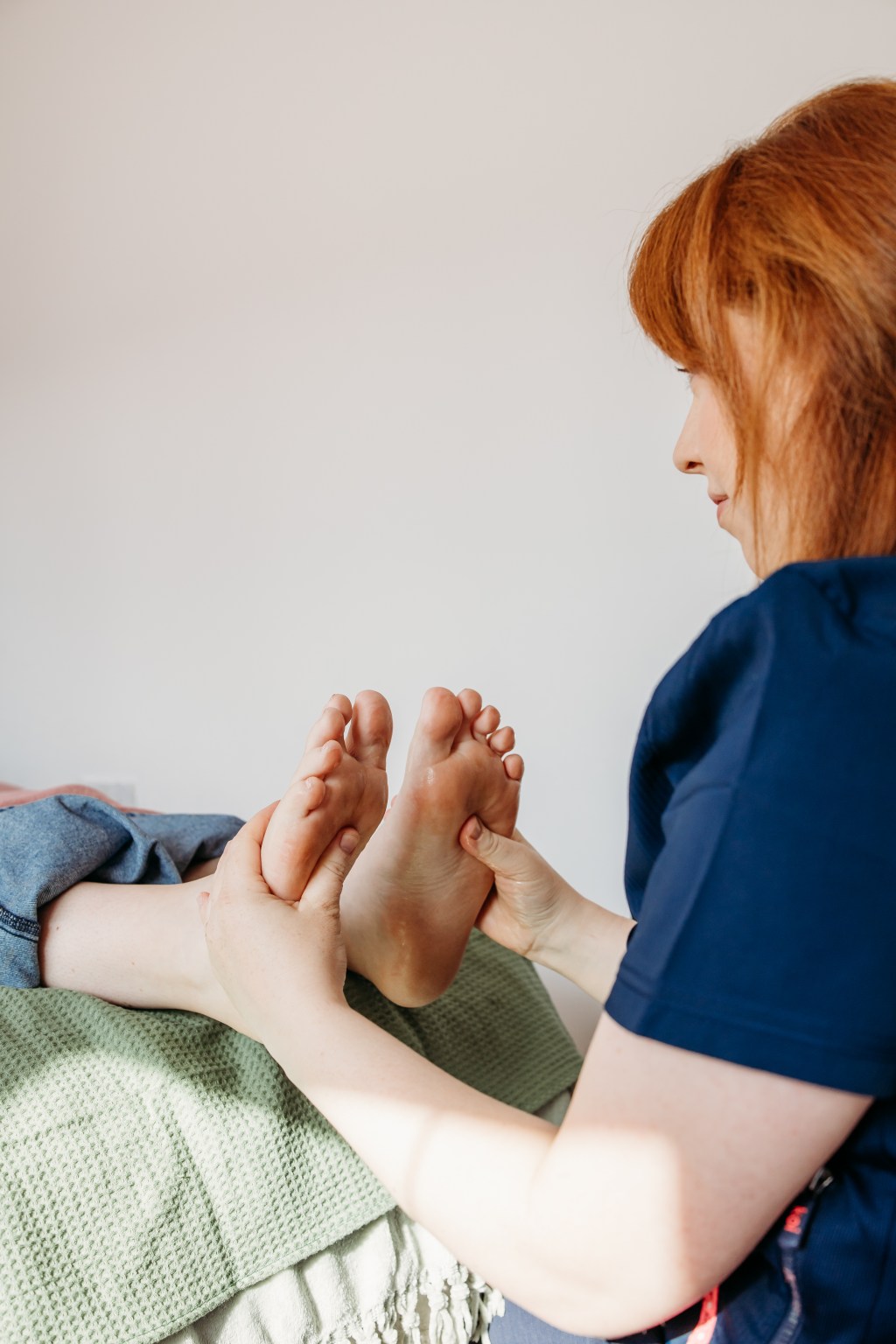
Your feet might not speak in words, but they’re always telling a story.
As a reflexologist — and an orthotist — when I look at your feet, I’m not just seeing toes, arches, and heels. I’m looking at them through two very different lenses.
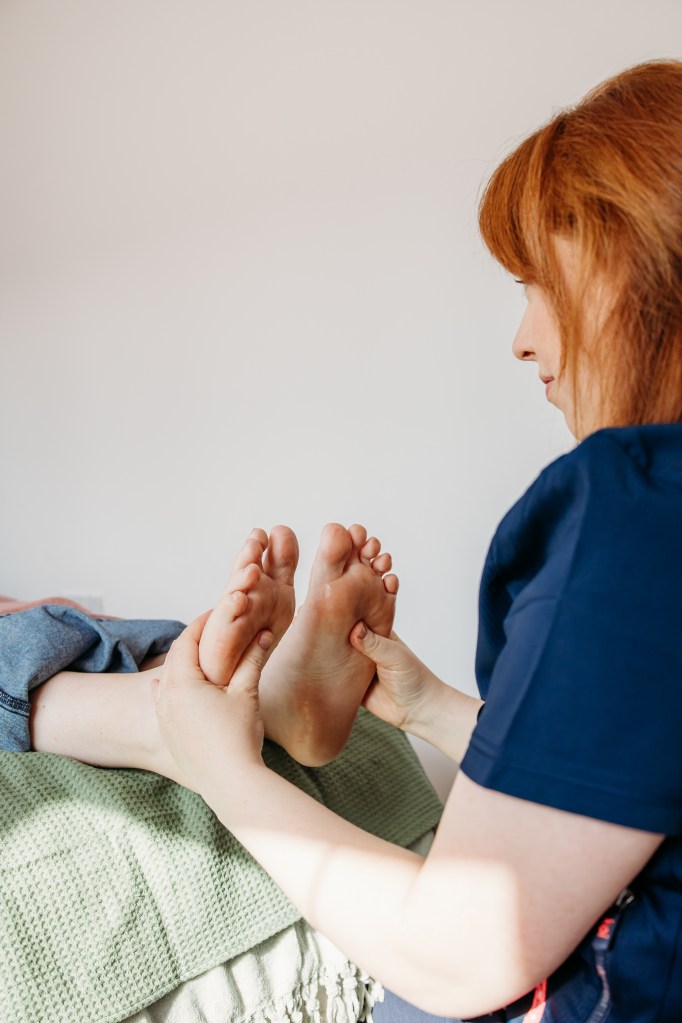
From an orthotic and biomechanics perspective, I’m trained to analyse structure, alignment, and movement — how your feet support your body mechanically. I can see if an arch is collapsing, if a gait pattern is uneven, or if certain joints are under more strain than they should be. That’s the science of how your feet carry you through life.
From a reflexology perspective, I’m looking at something far more subtle — the map your feet hold of your entire body. And this map has a fascinating history that goes back thousands of years.
From the Pyramids to the Present Day
The earliest known evidence of reflexology comes from Egypt, around 2330BC. Tomb paintings from the physician’s chamber in Saqqara show people receiving what is now recognized as foot and hand massage, suggesting an early understanding of reflexology. Similar practices have also been traced back to ancient China and Indigenous cultures around the world.
Humans have always understood that the feet are more than just a way to get from A to B — they’re deeply connected to our overall well-being.
Your Feet are a Map
In reflexology, different areas of the feet correspond to different organs, glands, and systems in the body. For example, the tips of your toes relate to your head and sinuses, while the arch or midfoot correlates to the digestive system.
When I work on your feet, I’m noticing subtle things — temperature changes, areas of tenderness, skin texture, or even slight colour variations. These are gentle indicators that can give me insight into where your body might be holding tension or needing a little extra support.
What I Might Notice
While reflexology doesn’t diagnose or treat medical conditions, I might pick up signs that:
- Circulation could be a little sluggish
- Stress is showing up in the nervous system
- The digestive system might benefit from some balance
- Hydration levels could be improved
From a biomechanics point of view, I might also see how these same feet are working hard to support you physically — perhaps compensating for an old injury or adapting to your lifestyle.
Why This Perspective is Unique
When I combine my orthotics training with reflexology, it’s like reading both sides of the same book. One tells me how your feet function as part of your musculoskeletal system. The other reveals how your body’s internal systems might be calling for attention.
Your feet are incredible — they carry you through life and quietly hold a map of you. Reflexology helps you tap into that connection, giving your body the time and space it needs to restore itself.
So, next time you look at your feet, remember: they’re not just keeping you grounded, they’re telling your story.


Leave a comment